
3 Design Decisions That Increase ROI
When people ask what I do and I answer “interior designer,” the response is often, “Oh, so you’re a decorator.”
Actually—no.
I take great pride in the construction background and technical expertise I bring to every project. While taste is certainly part of design, the decisions that matter most are often the ones that influence return on investment. Design, when done well, is a financial tool.
Here are the three design decisions that most directly increase ROI, whether you’re building, renovating, or preparing a home for sale.
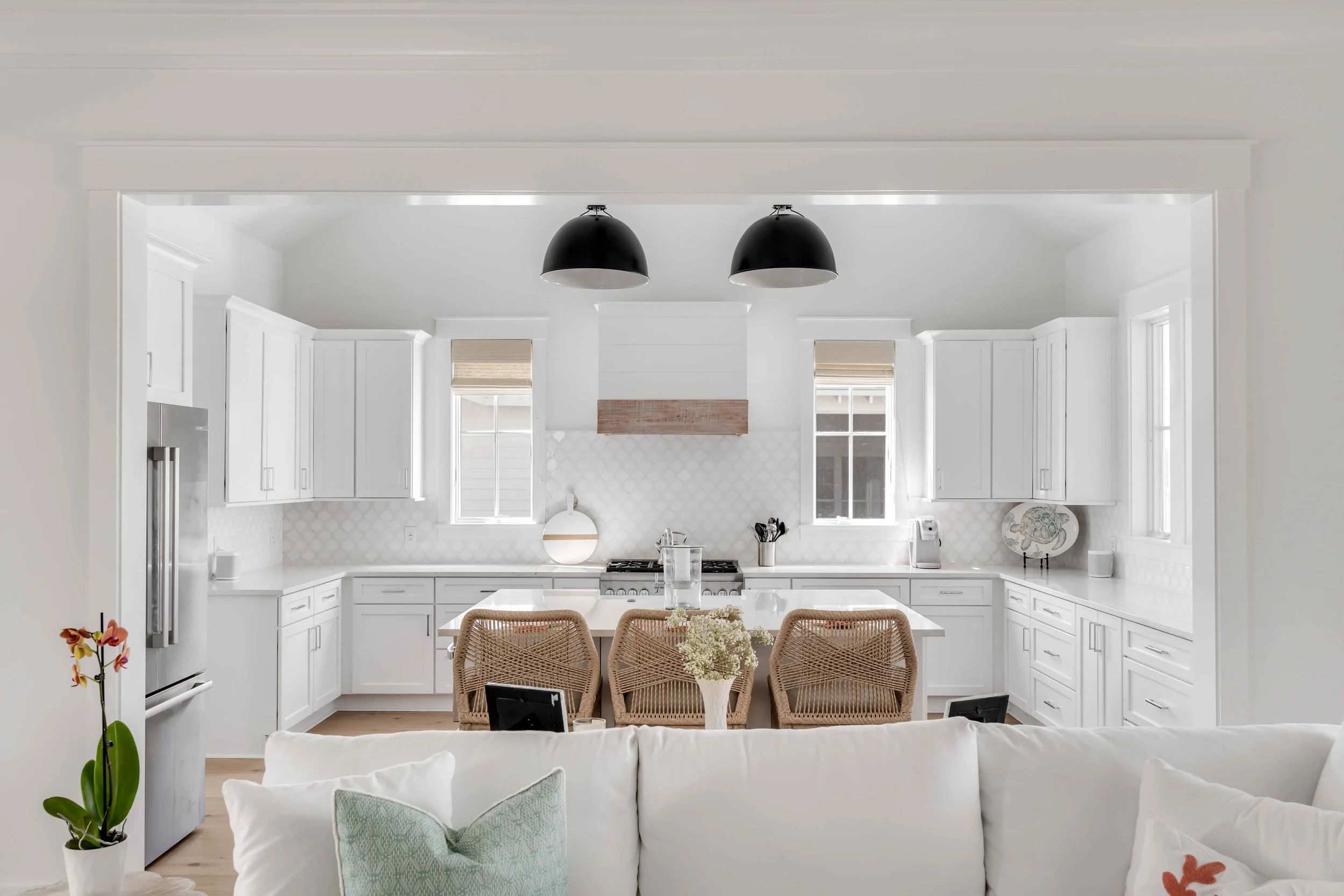
Decision #1: Layout Comes First
If given the choice, I always want to be involved as early as the architectural phase. That’s where ROI is either protected, or quietly lost.
Studying plans alongside a client’s daily habits allows me to design for real life: how you enter the home, where laundry lives, how storage is used, and how spaces connect. These early decisions are difficult and expensive to fix later, often resulting in change orders or worse, learning to live with a layout that never quite works.
Poor flow and functionality are consistent deal breakers for resale. Buyers don’t just look at square footage; they evaluate how usable and intuitive a home feels.
High-ROI layout choices
Open sightlines (not necessarily fully open concept)
Storage placed where people actually need it
Prioritizing bedroom count—and in Charleston, closet space—over oversized rooms
Low-ROI layout mistakes
Over-customized layouts that drastically reduce the buyer pool
Removing bedrooms in favor of “luxury” space
Ignoring daily behavior patterns and circulation
ROI lens
Layout decisions directly impact time on market, buyer demand, and appraised value.
Decision #2: Finishes & Material Selection
Designing for ROI means understanding not just what you value, but what a future buyer will value in a different market cycle.
Bold, quirky, or highly trendy finishes may feel exciting today, but they often age quickly. What feels current now can feel dated by the time you sell (yes… even white kitchens will eventually have their moment out). When ROI is the goal, I consistently advise choosing timeless palettes, classic materials, and restrained finishes that won’t show their age.
Thankfully, in Charleston, timeless design is always in demand.
There’s also the balance of quality versus price. Builder-grade finishes are easy to spot, and homes that invest just a bit more intention immediately stand out. That said, replacement costs and maintenance quietly erode returns, especially if you live in the home before selling.
High-ROI finish choices
Timeless, mid-grade materials that photograph well
Durable flooring and countertops
Neutral palettes with strategic personality
A visually strong range or focal appliance
Low-ROI finish mistakes
Trend-heavy materials
High-maintenance surfaces (marble, I’m looking at you)
Overspending where buyers don’t pay premiums—lighting is a common example
ROI lens
Reduces capital expenditures, increases longevity, and protects margins.
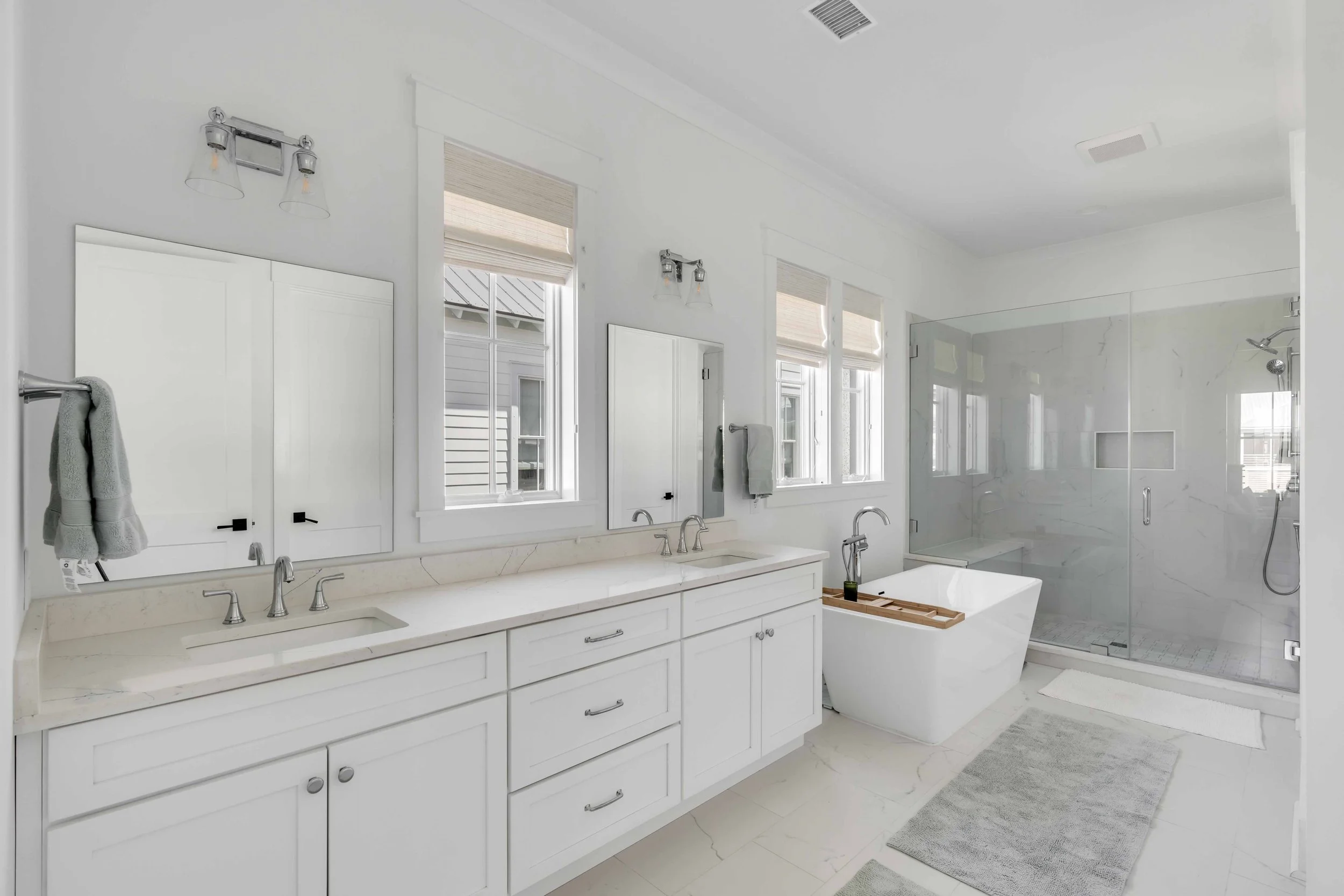
Decision #3: Where You Spend vs. Where You Save
ROI isn’t about total budget, it’s about allocation.
At the start of every project, one of my top priorities is understanding where a client truly values spending and where they don’t. A client who loves to cook should absolutely invest in appliance performance and cabinetry organization. That same client may be perfectly happy saving on lighting if we can achieve the same visual impact for less.
Most buyers do not assign meaningful value to secondary bathroom fixtures, mudroom built-ins, or highly personalized decorative features. They’re nice to have, but they rarely move the needle when it comes time to sell.
High-ROI spend areas
Kitchens
Primary bathrooms
The right storage solutions
Smart places to save
Secondary bathrooms
Closets
Decorative features that don’t affect daily use
ROI lens
Maximizes perceived value per dollar spent.
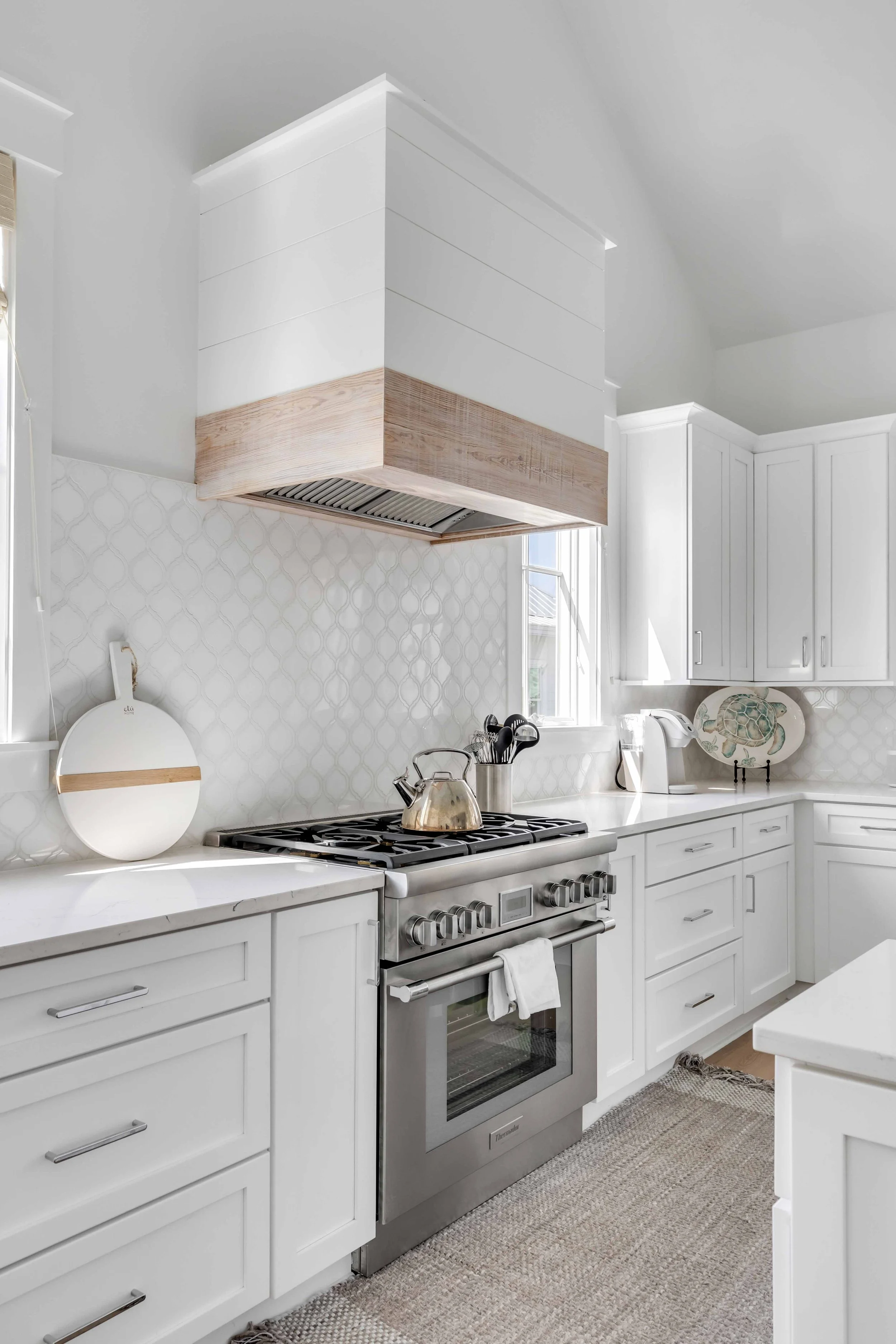
Good design isn’t about what looks impressive, it’s about what performs over time. When layout, materials, and budget allocation are approached strategically, design becomes one of the most powerful tools for increasing ROI.
If you’re designing with resale, rental, or long-term equity in mind, these decisions matter far more than trends.